The History
of Bonner Fellers
From the Farmlands of Illinois Toward An Extraordinary Journey
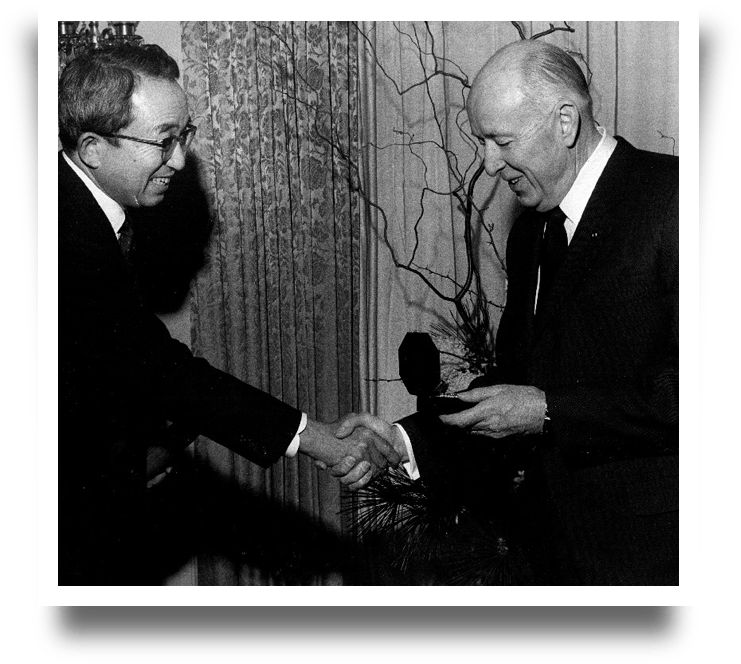
A Site to Document
Bonner Fellers
Personal & Professional Life
Bonner Fellers is a central character in the 2021 book War of Shadows: Codebreakers, Spies, and the Secret struggle to Drive the Nazis from North Africa and the Middle East.
The 2012 compelling and meditative film Emperor depicts with fidelity Bonner Fellers’ character and the complexities of finding the path toward justice and peace. Many aspects are historically accurate, but it is a creative narrative, not a documentary of Bonner Fellers’ personal or professional life.

PERSONAL
Fellers was born and raised in Ridge Farm, Illinois, in a Quaker family. His parents owned farmland and a brick kiln. He married Dorothy Dysart of Cincinnati in New York City in 1925. Dorothy accompanied him twice to postings in the Philippines, and also on visits to Japan and China. Their only child, Nancy, was born on the Philippine island of Corrigidor in 1930. Bonner maintained and visited farmland in Ridge Farm throughout his life. He died in 1973 and Dorothy passed away in 1981. They are survived by 4 granddaughters and 3 great-grandchildren.
Bonner was an excellent writer. One example is Hirohito's Struggle to Surrender published in the July 1947 Foreign Service magazine. The article forms the basis for several scenes in the movie Emperor.
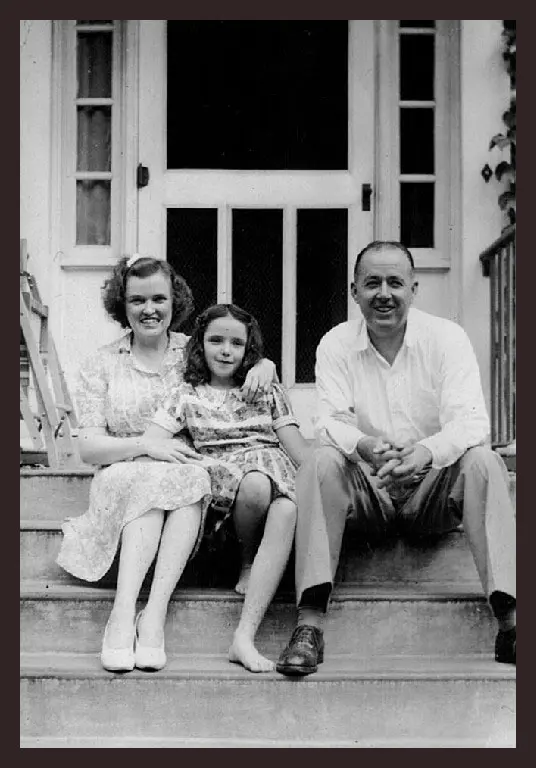
Bonner Fellers with Wife & Daughter
West Point Quarters 1939
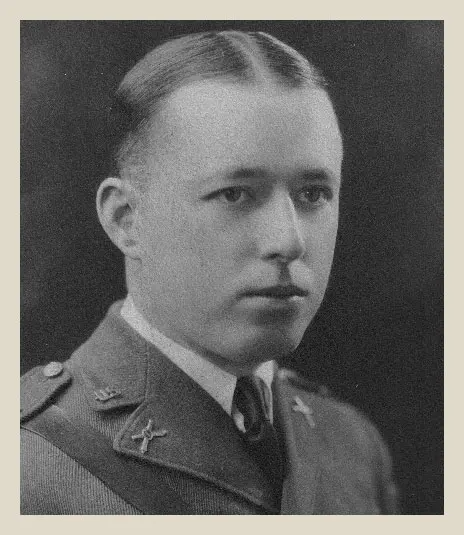
Bonner Fellers in the 1920s
MILITARY CAREER
In 1916 Fellers left Earlham College to enter West Point by direct appointment of Speaker of the House Joseph Cannon, whose district included Fellers' hometown of Ridge Farm, Illinois. He graduated from West Point in November 1918 and was the first in his class to attain General rank. He remained in the military until his retirement in 1946.
During 1924-29 he taught mathematics at West Point and in the late 1930s taught English. He attended the Army War College in Washington, DC, and the Command and Staff School at Fort Leavenworth, Kansas.
In 1948 his retirement rank was established as Brigadier General.
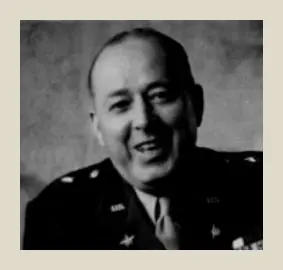
Bonner Fellers in the 1940s